Good food doesn't happen by accident. It grows out of curiosity, a willingness to experiment, and a stack of culinary recipes and cooking tips that actually work in a real kitchen, not just on a glossy page. This guide pulls together everyday techniques, traditional recipes, and a few gourmet dishes worth mastering, whether you're cooking for one or feeding a table full of guests. Grab a cutting board and let's get into it.
The Art of Everyday Cooking Techniques
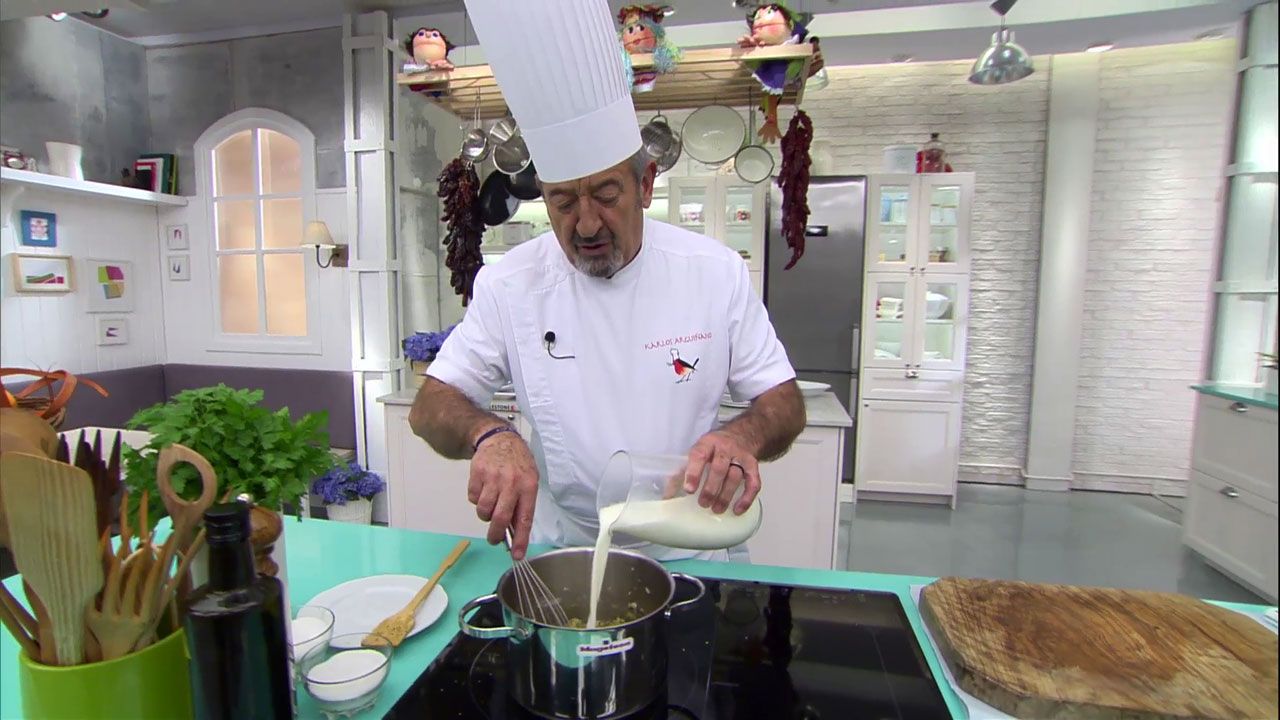
Every unforgettable dish starts long before the recipe card comes into play, with the small techniques that separate confident cooks from nervous ones. Whether you're chopping vegetables for a quick weeknight stew or reducing a sauce until it clings to the spoon just right, mastering the basics pays off in every meal you make. These skills don't require fancy equipment or years of culinary school. They require practice, patience, and a bit of inspiration from chefs like Karlos Arguiñano, whose approachable style proves that gourmet dishes can absolutely come out of a home kitchen. Think of this section as your foundation, the groundwork that makes every recipe further down the page easier to execute and far more satisfying to eat.
Knife Skills Every Cook Should Know
A sharp knife and a steady hand change everything. Learning a handful of basic cuts, the dice, the julienne, the chiffonade, speeds up prep work and makes even simple dishes look professionally plated.
- Keep your knife sharp. A dull blade slips and causes more accidents than a sharp one.
- Curl your fingers under when holding vegetables steady, protecting fingertips from the blade.
- Let the knife do the work. Rocking motions are safer and faster than sawing.
- Practice on forgiving vegetables like onions and carrots before moving on to delicate herbs.
Mastering Sauces and Seasoning
A sauce can rescue a bland dish or ruin a great one, depending on how well you balance its core elements. Salt sharpens flavor, acid brightens it, fat carries it across the tongue, and a touch of sweetness rounds out the edges. The silky finish on a French Omelette or the deep caramel note in a good flan both come down to the same principle: season in layers, taste as you go, and adjust before serving rather than after. Once that balance clicks, you can improvise sauces from whatever is in the fridge instead of following a recipe word for word.
Signature Recipes from Around the World
From the buttery folds of a French omelette to the crunchy bite of Spanish soldaditos de pavia, great recipes travel across borders and generations. This collection gathers some of our most-loved international dishes into one place, so you can decide what to cook tonight without digging through old posts. Some lean toward comfort food, others toward the kind of technique-driven gourmet dishes that impress at a dinner party, but all of them reward attention to detail more than expensive ingredients.
| Dish | Origin | Prep Time | Difficulty |
|---|
| French Omelette | France | 10 minutes | Easy |
| Soldaditos de Pavia | Spain | 30 minutes | Medium |
| Cold Cannelloni | Spanish-Italian fusion | 45 minutes | Medium |
Classic French-Inspired Dishes
The French omelette remains one of the best lessons in patience a kitchen can teach. Cooked low and slow, folded rather than flipped, it turns three eggs into something almost custardy in texture. Once that technique clicks, a whole world of French-inspired cooking opens up. Try a simple ratatouille to practice knife work and vegetable layering, or a quiche to combine pastry skills with that same gentle egg custard. These dishes share a common thread: minimal ingredients, maximum technique, and a texture that feels indulgent without being heavy.
Spanish Comfort Food Favorites
Spanish home cooking leans on slow-simmered pots and shared plates, and Pocha Beans with Clams captures that spirit perfectly. Tender white beans, briny clams, and a splash of white wine come together in a dish that tastes like it took all day, even though it doesn't. Recipes inspired by Karlos Arguiñano's croquettes follow the same philosophy: honest ingredients, generous seasoning, and techniques passed down rather than invented for show. These traditional recipes make excellent additions to any weekly rotation, especially once the weather turns cool.
Seasonal Ingredients and Smart Meal Planning
The best cooks let the calendar guide their shopping list rather than fighting against it. Produce picked at its peak needs less seasoning, less coaxing, and less cooking time to taste good, which is why building meals around seasonal ingredients makes such a noticeable difference. Pair that habit with a bit of planning, and you'll waste less food, spend less money, and eat better without much extra effort.
| Season | What's Fresh | Easy Ways to Use It |
|---|
| Spring | Asparagus, peas, strawberries | Quick sautés, fresh salads |
| Summer | Tomatoes, zucchini, stone fruit | Cold soups, grilled sides |
| Autumn | Squash, mushrooms, apples | Roasts, warm desserts |
| Winter | Citrus, root vegetables, leeks | Braises, hearty stews |
What to Cook This Season
Once you know what's in season, recipes practically choose themselves. Check a seasonal fruit and vegetable calendar before you shop, then build a simple meal plan around two or three fresh items rather than a long list. A single squash can turn into soup, a side dish, and a filling for pasta across one week, cutting prep time and grocery bills at once.
Reducing Food Waste in the Kitchen
Most food waste comes down to poor timing, not poor intentions. A few habits fix that fast.
- Turn vegetable scraps and bones into homemade stock instead of tossing them.
- Use overripe fruit in baked goods rather than throwing it out.
- Plan meals around the ingredients that spoil fastest, saving pantry staples for later in the week.
Desserts and Sweet Traditions
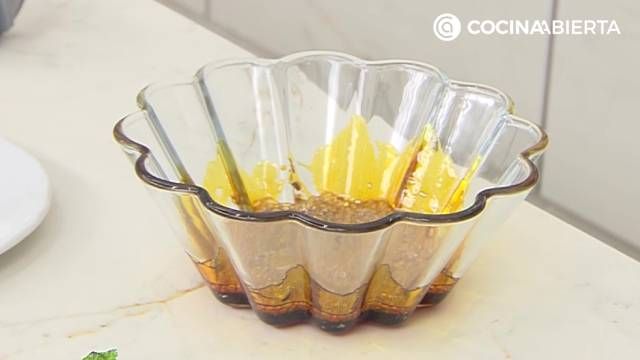
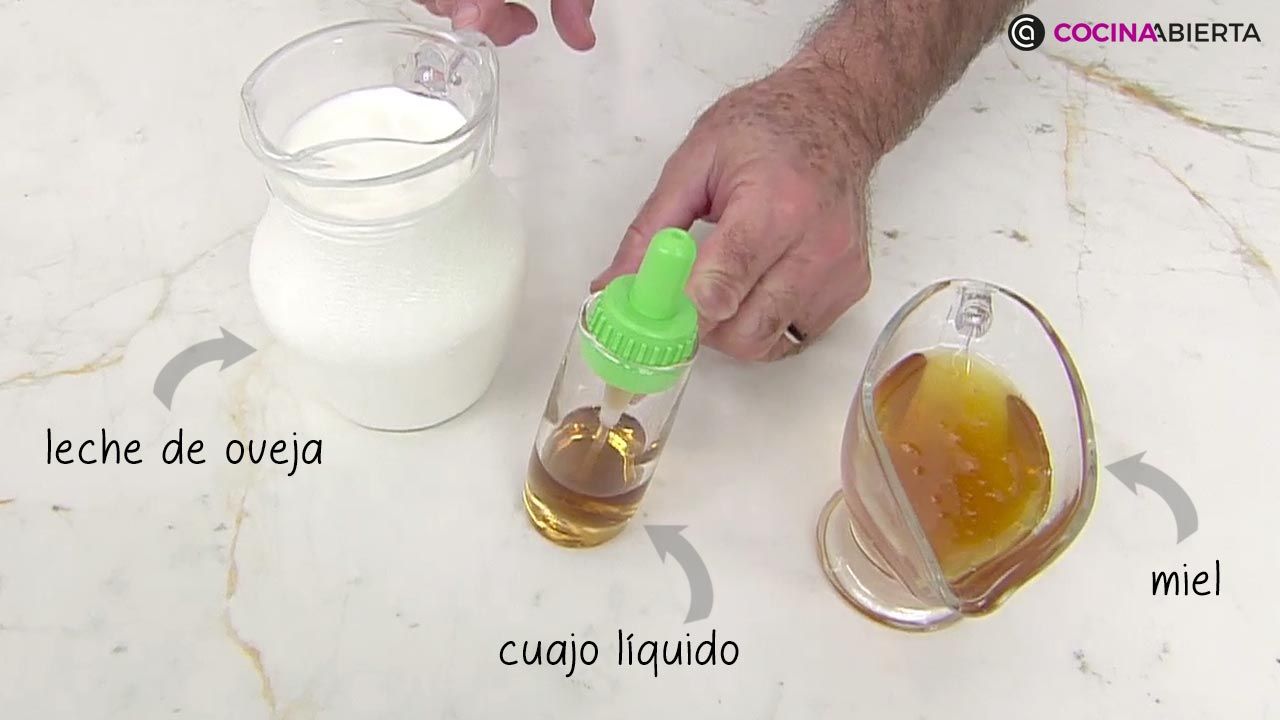
Nothing signals the end of a good meal quite like a spoonful of something sweet, and homemade desserts tend to carry more memory than any store-bought equivalent. A wobbly caramel flan, a jar of curd sweetened with honey, these are the desserts people ask for by name once they've tasted the original.
Reader tip: chill custard-based desserts overnight rather than for a few hours. The extra time firms up the texture and deepens the flavor considerably.